


Myrelle
1.126.00 Reviews
App Specs
- Version
- 1.1.5
- Updated On
- License
- Free
- Downloads
- 50,000+
- Developer
- BaihuiJiade
- Categories
- Entertainment
- Platform
- Android
Screenshots

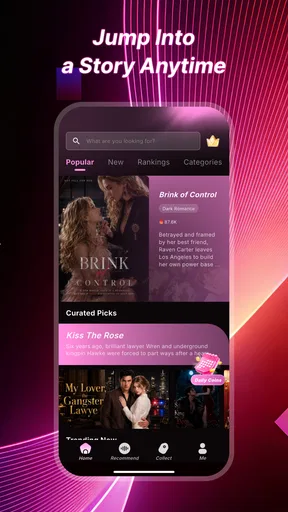

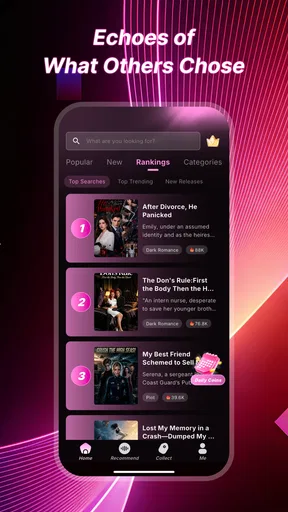
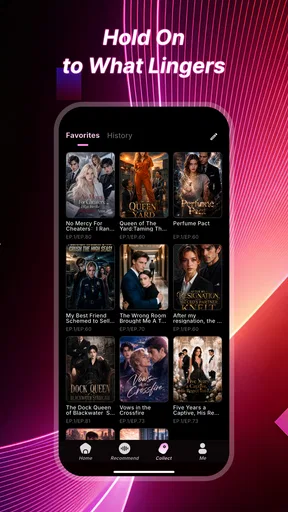
 Analysis by AppCompare
I approached Myrelle as a short-drama entertainment app rather than as a general streaming replacement. Its promise is easy to understand: open the app, find a compact story, and use a spare moment for a quick burst of viewing. That format can fit neatly into a commute, a lunch break, or the few minutes before bed. My experience was more mixed. The idea is convenient, but the quality of the experience depends heavily on how reliably the app connects and how comfortable you are with its overall presentation.
Myrelle is published by BaihuiJiade and is free to install, with optional purchases ranging from forty-nine cents to two hundred nineteen dollars and ninety-nine cents per item. It is listed for Everyone, which makes the intended audience broad, although parents should still remember that an age label does not describe every individual story in detail. The app has passed the fifty-thousand-install mark, yet its average rating is only 1.1 from around eighty-six ratings, with roughly twenty-six written reviews. That contrast immediately tells me that interested readers should approach it carefully rather than assume the short-drama format alone guarantees a polished experience.
What the short-drama format feels like in everyday use
The strongest reason to try Myrelle is the shape of its entertainment. Short dramas are built around quick emotional hooks, compact scenes, and frequent reasons to continue. I found that structure more suitable for fragmented time than a traditional film or a long television episode. If I have ten minutes while waiting for an appointment, I am more likely to open a short-drama app than commit to a full episode elsewhere.
That convenience has a trade-off. A short format can make stories feel urgent, but it can also make the viewing rhythm feel compressed. You may move from one dramatic beat to another without the slower character development found in conventional streaming services. For me, that makes Myrelle better for casual, snack-sized entertainment than for someone looking for carefully paced television or a deep film library.
The store’s short description is simply “Myrelle,” while its longer summary presents it as a short-drama entertainment experience. In practice, that means you should not install it expecting a broad-purpose video platform with the same depth, discovery tools, or viewing habits as the usual alternatives. Its appeal is narrower and more immediate: it is designed around quickly sampling dramatic content rather than settling into a long viewing session.
Why connectivity matters more than it first appears
Short videos make network quality especially noticeable. When a story is divided into brief installments, a delay at the wrong moment can interrupt the emotional flow more often than it would during a single long video. I noticed that the app’s usefulness is tied to having a dependable connection at the moment I want to watch. A strong home connection makes the experience easier to tolerate, while an unstable mobile signal can turn a quick break into repeated waiting.
This is an important distinction from downloaded shows in a conventional streaming service. Myrelle should be treated as a connected viewing experience unless the app itself clearly presents an offline option on your device. I would not plan a flight, underground commute, or remote trip around it without testing the exact viewing behavior first. The safest assumption is that your entertainment depends on the connection being available when you press play.
Worth Reading Before You Choose

EA SPORTS FC Mobile 26 Is a Bigger Football Game, but It Takes Time

Flipboard Shows What News Apps Must Do Beyond the Feed

Switching to Android Auto Means Rethinking Your Driving Routine

Google Calendar Makes a Crowded Week Easier to Manage

Ludo King Makes the Most of the Minutes Between Plans

Baby Panda World Brings Quick Play to Modern Phones, but Its Game Library Feels Busy
A practical habit is to open the app before the moment you actually need it. If I know I have a short break coming, I would browse while connected to reliable Wi-Fi, identify something interesting, and avoid relying on a last-second launch in a crowded network area. This does not guarantee uninterrupted viewing, but it reduces the chance that the entire break disappears into loading screens.
Using it on the move without wasting the whole break
Myrelle makes the most sense in mobile situations where attention is available in small pieces. A waiting room is a better setting than a busy walk, and a quiet train ride is better than a journey where the signal changes constantly. I would also use headphones in shared spaces, because short dramas often depend on dialogue and emotional timing; watching silently may remove much of what makes a scene work.
The app is less convincing as a background companion while multitasking. Short-form drama asks you to follow quick exchanges, and looking away for even a moment can make the next scene harder to understand. If you are cooking, exercising, or working, an audio-first podcast may be a better choice. Myrelle is best when you can give it brief but focused attention.
Screen size also changes the experience. On a phone, the compact format feels natural and private. On a larger display, I would expect the individual presentation choices to matter more, because compressed video or awkward scaling becomes easier to notice. I would start with the phone rather than assume that the app is designed for every screen equally.
For a realistic daily scenario, imagine a fifteen-minute lunch break. I would connect to Wi-Fi if available, open Myrelle, choose one story instead of repeatedly browsing, and keep the session limited to that break. That workflow avoids two common frustrations: spending the entire time deciding what to watch and unexpectedly moving into purchase prompts before knowing whether the story suits me.
Where the free model requires attention
Calling the app free is useful, but it does not mean every part of the viewing journey is cost-free. Myrelle includes in-app purchases, and the listed range is unusually wide, from forty-nine cents to two hundred nineteen dollars and ninety-nine cents per item. I would therefore treat the free installation as an invitation to explore, not as a promise of unlimited access without charges.
My advice is simple: do not make a purchase merely because a story has created a cliffhanger. Short dramas are particularly good at encouraging “just one more part” behavior. Before paying, I would check what the purchase unlocks, whether it applies to a specific story or a broader area, and whether the amount feels reasonable for the actual viewing time. If the payment path is not immediately clear, I would close it and decide later rather than make a rushed choice.
Families should also use device-level purchase protections. The Everyone rating may make the app look suitable for a shared device, but an age category and a spending safeguard solve different problems. I would keep purchase authentication enabled and avoid handing the phone to a child without supervision. That is especially important when several small purchases can feel harmless individually but become expensive through repetition.
What happens when the connection breaks
The most revealing test for a connected entertainment app is not the perfect session; it is the interrupted one. A weak signal can affect browsing, opening a story, or moving between short episodes. When that happens, I prefer a simple recovery routine: stop tapping repeatedly, check whether the connection has returned, close and reopen the affected screen if necessary, and only then decide whether to continue.
Repeated tapping is worth avoiding because it can make it harder to tell whether the app is responding or whether a request is simply delayed. It can also create uncertainty around purchases. If a payment screen appears during a poor connection, I would wait for the network to stabilize and verify the account status before trying again. That small pause is more valuable than risking duplicate action or confusion.
I would also keep expectations realistic when switching between Wi-Fi and mobile data. Moving from one network to another while a scene is loading may not recover as smoothly as changing connections before opening the app. If Myrelle stops responding during a commute, I would save the session for later rather than spend the entire break troubleshooting. The app’s purpose is quick entertainment; a complicated recovery process defeats that purpose.
Because the current version is 1.1.5, I would keep the app updated through the normal store process and retest any behavior that changes after an update. I would not assume that a new version fixes every connectivity problem, but staying current is sensible for an app whose viewing experience relies on active network communication. The release date shown for this version of the app is May 6, 2026, so users should also pay attention to how the app behaves on their own device rather than relying on assumptions from older installations.
Managing mobile data during short sessions
Short episodes can feel economical because each viewing period is brief, but several consecutive parts can add up. I would avoid opening Myrelle repeatedly on mobile data just to browse without watching. Browsing, previews, and automatic loading can all make a short break less efficient than expected, especially when the app encourages rapid movement from one scene to the next.
My preferred routine is to use Wi-Fi for discovery and reserve mobile data for deliberate viewing. I would also stop playback when I am finished instead of leaving a story open while talking to someone or putting the phone in my pocket. That sounds obvious, but short-form apps are easy to leave running because each segment feels too brief to justify closing the screen.
If your mobile plan is limited, Myrelle should not be the first entertainment app you rely on. A service with clearly documented downloads may be more suitable for travel, while an audio app may offer a more predictable data footprint for multitasking. Myrelle’s advantage is immediacy, not guaranteed efficiency. The right choice depends on whether you value instant access more than strict control over network use.
I would also be cautious about using public Wi-Fi for account activity or purchases. The issue is not unique to this app, but the combination of video loading and payment prompts makes a stable, trusted connection preferable. If the network is slow or unfamiliar, I would browse later and avoid making a purchase until I am back on a connection I trust.
How it compares with familiar entertainment alternatives
Compared with a mainstream streaming service, Myrelle is more focused on short dramatic moments and less suited to planned, long-form viewing. A traditional service is usually the better pick when I want a film, a full television episode, or a larger range of established viewing habits. Myrelle wins when I have only a few minutes and want a story to begin quickly.
Compared with social video feeds, the app’s short-drama identity is more purposeful. A social feed may offer endless variety, but it can also scatter attention across unrelated clips. Myrelle is more appealing when I want a continuing dramatic thread instead of random recommendations. The trade-off is that a feed may feel more flexible and easier to abandon, while a serialized drama can encourage continued viewing and additional spending.
Compared with free video platforms, Myrelle’s purchase model deserves closer attention. Free platforms may rely on advertising or a broad mix of user content, whereas a short-drama app can place more emphasis on unlocking continued story access. I would choose Myrelle only if its particular stories are more important to me than having the widest possible free selection.
One non-obvious trade-off is the relationship between connectivity and convenience. Myrelle can be quicker to start than a downloaded show, but the downloaded show is more dependable once I am away from a network. Another is the relationship between story momentum and spending: the same cliffhanger that makes a short drama engaging can also make it harder to stop before a purchase. Recognizing both trade-offs helps prevent the app from becoming an automatic choice.
Who will enjoy it, and who should skip it
I can recommend trying Myrelle to someone who enjoys dramatic stories in small portions, watches primarily on a phone, and usually has reliable Wi-Fi or mobile service. It may suit people who want something more structured than random short videos but less demanding than a full-length show. It is also a reasonable experiment for viewers who are comfortable deciding carefully whether optional purchases are worthwhile.
I would hesitate to recommend it to anyone who needs dependable offline viewing, has a very limited data plan, or dislikes interruptions during serialized stories. It is also not my first suggestion for someone seeking a mature, carefully curated television catalog. The low average rating is a meaningful warning sign, not a reason to dismiss the app automatically, but it does make a cautious trial more sensible than an enthusiastic commitment.
Users on older devices should pay attention to how smoothly the app handles their particular phone. The minimum operating system is Android 7.0, which makes the compatibility requirement relatively accessible, but meeting a minimum version does not guarantee the same performance on every handset. I would install it, test browsing and playback briefly, and decide from that real session rather than assuming the experience will match a newer phone.
My final connectivity verdict
Myrelle has a clear place in the entertainment category: it is a free short-drama app for quick, mobile viewing, and that can be genuinely convenient when the network is stable and the story selection matches your taste. I like the idea of using it as a focused break rather than as an all-day streaming destination. The compact format is its most practical strength.
Still, I would not overlook the friction. Network interruptions can undermine the very convenience the app is supposed to provide, mobile-data use needs some discipline, and the broad in-app purchase range means the free entry point should be approached thoughtfully. The rating of 1.1 also tells me to keep expectations measured and evaluate the current experience personally.
My recommendation is to try Myrelle in a controlled situation: use a trusted connection, watch without rushing into a purchase, and see whether the short-drama rhythm fits your habits. If you want quick serialized entertainment on a phone and can accept a connection-dependent experience, it may earn a place in your rotation. If you need offline reliability, transparent long-form viewing, or a calmer alternative to cliffhanger-driven sessions, a conventional streaming or downloaded-video option will probably serve you better.
Pros
- Simple interface makes browsing and managing content easy.
- Lightweight design generally feels responsive on supported devices.
- Useful for users seeking a focused
- no-frills experience.
- Setup is straightforward and requires little technical knowledge.
- Regular access can make key features convenient to use on the go.
Cons
- Some features may require an account or additional permissions.
- Compatibility and performance can vary between Android and iOS devices.
- The app may offer limited customization for advanced users.
- Certain content or functions may depend on an internet connection.
- Updates and support quality may vary over time.
FAQs for Myrelle
What is Myrelle, and what can I use it for?
Myrelle is a mobile application designed to provide users with a convenient way to access its available services and features from an Android or iOS device. Before downloading, it is worth checking the current store description because the exact tools, supported regions, and account requirements may change. The app’s usefulness will depend on whether its features match your personal needs and location.
Is Myrelle free to download and use?
Myrelle may be available to download at no initial cost, but users should carefully review the app-store listing for possible subscriptions, premium features, in-app purchases, or service charges. Some functions may require payment or an upgraded account. We recommend checking the pricing details before registering, especially if the application requests billing information or offers an automatic recurring subscription.
Does Myrelle require an account or personal information?
Depending on the features you want to use, Myrelle may require registration, login credentials, or personal details such as an email address and basic profile information. Before creating an account, read the privacy policy and permissions requested by the app. Avoid providing unnecessary sensitive information, and make sure you understand how your data may be stored, processed, or shared.
Is Myrelle available for both Android and iPhone?
Availability can vary by operating system, country, and device model. Users should search for the official Myrelle listing in the Google Play Store or Apple App Store rather than downloading an unofficial file from a third-party website. Also check the stated minimum operating-system version, since older phones may not support the latest release or may experience reduced performance.
Is Myrelle safe to download and use?
The safest way to install Myrelle is through its official Google Play Store or Apple App Store listing. Before downloading, confirm the developer name, review recent user feedback, examine requested permissions, and read the privacy information. As with any app, keep your device and operating system updated, use a strong password, and avoid sharing sensitive data unless it is genuinely required.


